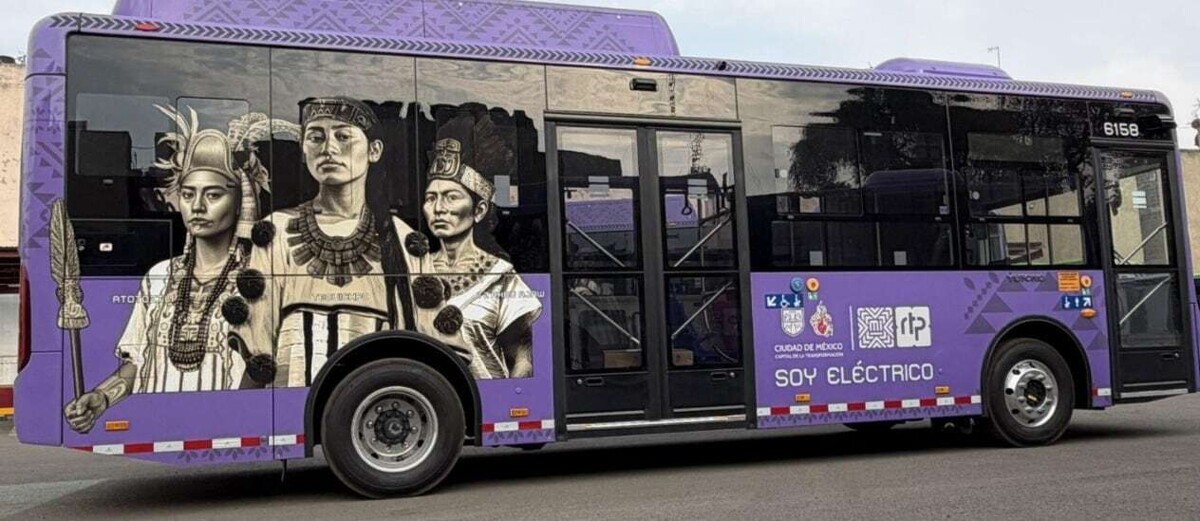
Mexico City is accelerating its transformation towards sustainable mobility ahead of the 2026 World Cup with the implementation of Centrobús, the Route of Indigenous Women, and a new electric transport system operating in the heart of the capital. The project, managed by the Passenger Transport Network (RTP), aims to improve connectivity, reduce pollutant emissions, and offer a modern alternative for residents and tourists in the Historic Center.
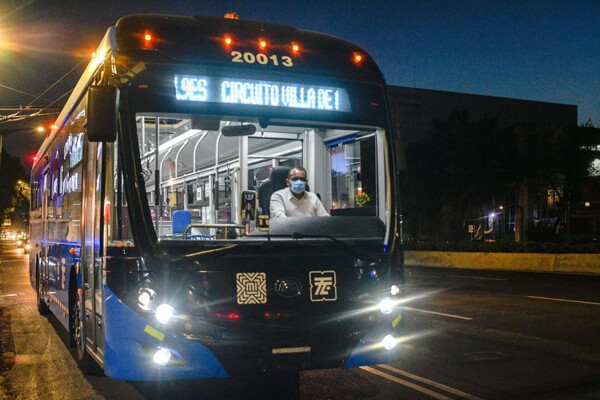
Centrobús: Electric, Inclusive, and Women-Operated Transport The General Director of RTP, Daniel Arcos Ramírez, informed that this new system will feature 12 state-of-the-art 100% electric buses, specially designed for narrow streets, with an approximate length of 9 meters and a capacity of up to 80 passengers. The units will be equipped with: universal accessibility for people with disabilities, preferential seating, a kneeling system, video surveillance, and real-time monitoring technology.
Furthermore, a standout feature is that the units will be operated exclusively by women, reinforcing the project's labor inclusion and social focus. This model aligns with the electromobility trend that the capital is promoting towards the 2026 World Cup.
Two Circuits and Over 30 Stops in the Historic Center Centrobús will have two main circuits (inner and outer) that will traverse key roads of the Historic Center. Outer route (6.2 km): República del Salvador, Circunvalación, República de Venezuela, and Eje Central. Inner route (5.8 km): República de Uruguay, Donceles, Eje Central, and Avenida Circunvalación. The system will have around 33 to 34 stops in total, connecting strategic points such as cultural, commercial, and tourist areas. Among the main points of interest are: Torre Latinoamericana, Palacio de Bellas Artes, the capital's Zócalo, and Templo Mayor. The objective is to facilitate mobility for both locals and visitors during the world's most important sporting event.
Start Date, Schedule, and Operation Centrobús will begin operations on May 8, 2026, just weeks before the start of the World Cup. Schedule: 05:00 to 23:00 hours, every day. Frequency: every 15 minutes. Travel time: approximately 40 minutes per circuit. A minimum demand of over 88,000 monthly users is estimated, positioning it as a key mobility alternative in the first quadrant of the city.
Investment and Benefits for the City The project required an investment of 111 million pesos, achieving even savings compared to the original budget. In addition to improving mobility, Centrobús will contribute to: reducing vehicular traffic, decreasing pollutant emissions, integrating different transport systems through the Integrated Mobility Card, and boosting tourism in the Historic Center.
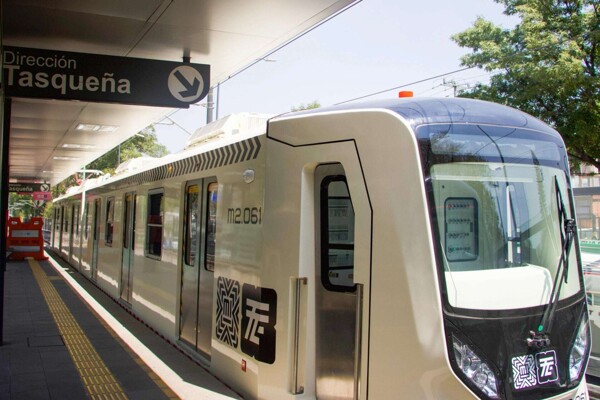
This new system is part of a comprehensive strategy that includes the modernization of other transports such as the Light Rail and Trolleybus, with a view to offering a more efficient and sustainable city during the 2026 World Cup.
A Key Transport for the 2026 World Cup Centrobús will not only be a mobility solution but also a symbolic element that projects Mexico City as a modern, inclusive, and environmentally committed metropolis. With routes connecting the main tourist attractions and sustainable operations, this system aims to become one of the most important axes of mobility during the world tournament.